Good to know
Ayodhya Frequently Asked Questions
What is Ayodhya best known for?
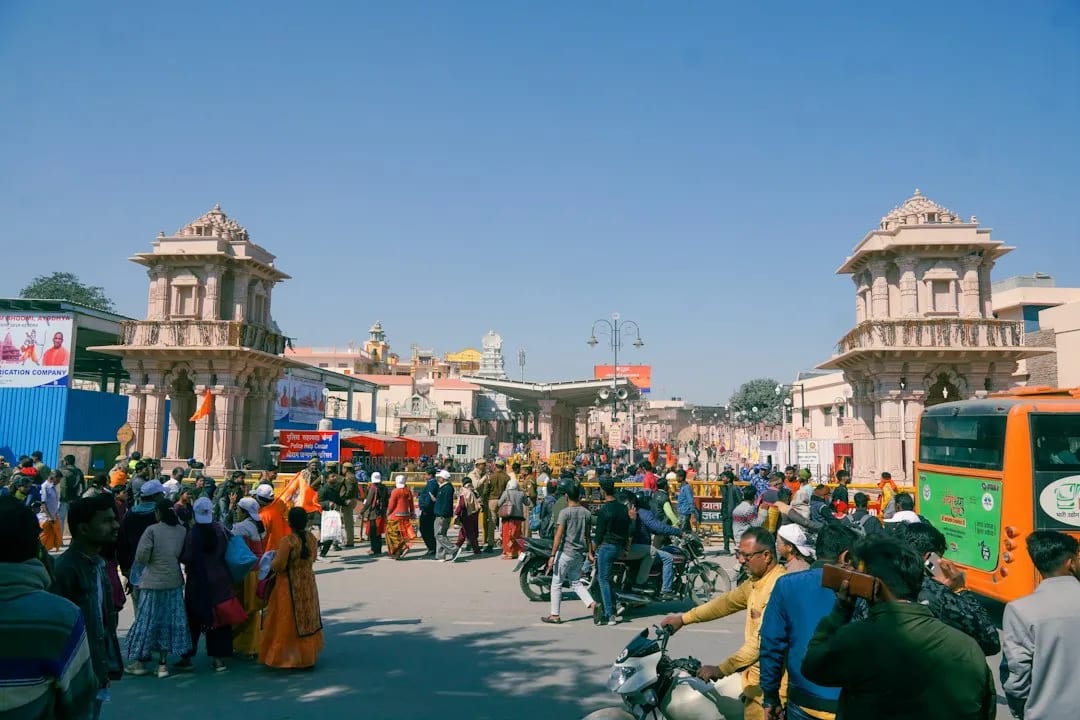
Ayodhya is revered as the birthplace of Lord Ram and is one of the seven sacred cities (Saptapuri) of Hinduism. Most visitors come for the Shri Ram Janmabhoomi Mandir, Hanuman Garhi, Kanak Bhawan and the ghats of the Saryu river, especially Ram ki Paidi.
How many days are enough for Ayodhya?
One full day covers the Ram Mandir, Hanuman Garhi, Kanak Bhawan, Dashrath Mahal and the evening aarti at Ram ki Paidi. Plan two days to add Nageshwarnath Temple, Guptar Ghat and the Nawabi monuments of Faizabad without rushing.
What is the best time to visit Ayodhya?
October to March is the most comfortable time, with pleasant days and cool evenings. Summer afternoons are very hot. Ram Navami and Deepotsav, on the eve of Diwali, are spectacular but extremely crowded, so book stays well ahead for those dates.
What are the Ram Mandir darshan timings?
General darshan usually runs from about 7:00 AM to 11:30 AM and 2:00 PM to 7:00 PM, with a midday break. Timings change during festivals and special events, so confirm on the official trust website, srjbtkshetra.org, before you go.
Is there an entry fee or VIP darshan at the Ram Mandir?
General darshan is free. The temple trust offers timed Sugam Darshan and limited aarti passes only through its official website, srjbtkshetra.org. Do not pay anyone outside the temple who offers VIP entry.
Can I take my phone inside the Ram Mandir?
No. Mobile phones, cameras, bags and leather items are not allowed inside. Free lockers are available near the entry. Allow about two hours for the locker, security check and queue, and more on weekends and festivals.
Which temple should I visit first in Ayodhya?
By tradition, pilgrims visit Hanuman Garhi first to seek the blessing of Lord Hanuman, the guardian of Ramkot, and then go on to the Ram Mandir. The two are about 700 metres apart, and Kanak Bhawan and Dashrath Mahal are on the way.
How do I reach Ayodhya by air?
Maharishi Valmiki International Airport (AYJ) is about 7 km from the Ram Mandir, with direct flights from several major Indian cities. Taxis and cabs connect it with the temple area. Lucknow airport is a common alternative, around three hours away by road.
Which railway station should I use for Ayodhya?
Ayodhya Dham Junction (AY) is the closest station to the temples, about 1 km from the Ram Mandir and Hanuman Garhi. Ayodhya Cantt (AYC), formerly Faizabad Junction, is about 7 km west and is closer to Guptar Ghat, Gulab Bari and Bahu Begum ka Maqbara.
How do I get around Ayodhya?
E-rickshaws and autos are the easiest way to move between the station, the temples and the ghats. Many roads near the Ram Mandir and Hanuman Garhi are closed to private vehicles, so expect to walk the last stretch. Take a taxi or auto for Guptar Ghat and Faizabad.
Where should I stay in Ayodhya?
Stay within walking distance of the Ram Mandir and Hanuman Garhi if you plan early darshan or are travelling with elderly family members. Check the real walking distance, because barricades on festival days can make short map distances much longer.
What is Ram ki Paidi and when is the Saryu aarti?
Ram ki Paidi is a series of ghats on the Saryu river where pilgrims take a holy dip. The evening aarti takes place around sunset and is one of the most atmospheric experiences in Ayodhya. During Deepotsav the ghats are lit with lakhs of clay lamps.
What is Deepotsav in Ayodhya?
Deepotsav is Ayodhya's grand festival of lights on the eve of Diwali, celebrating Lord Ram's return to Ayodhya. Lakhs of clay lamps are lit along the Saryu ghats, and it has set Guinness World Records. Expect huge crowds, traffic restrictions and very high demand for rooms.
What should I wear when visiting Ayodhya temples?
There is no strict dress code, but modest, traditional clothing is recommended at all temples. You will remove footwear at most shrines, including before the steps of Hanuman Garhi. Carry a light shawl in winter mornings and evenings.
Are Ayodhya and Faizabad the same place?
Faizabad is the twin city next to Ayodhya, about 7 km to the west, and both now form part of Ayodhya district. The temples and ghats are in the old town of Ayodhya, while Faizabad has the Nawabi monuments such as Gulab Bari and Bahu Begum ka Maqbara.